
When a child develops a cavity, finding an appropriate treatment involves more than addressing the damaged tooth. Comfort, cooperation during appointments, and the amount of decay all influence the care plan. A dentist in Peterborough can examine the affected tooth and explain whether a minimally invasive approach may be suitable. One option is silver diamine fluoride (SDF), a liquid applied to selected areas of decay to help stop or slow its progression.
Although it can reduce the need for immediate drilling in certain cases, it does not rebuild lost tooth structure or replace every filling. Understanding its benefits and limitations helps parents make informed decisions about their child’s oral health.
What Is Silver Diamine Fluoride?
Silver diamine fluoride is a topical dental treatment containing silver and fluoride. Silver helps control bacteria associated with tooth decay, while fluoride supports the mineral structure of teeth. A dental professional applies a small amount directly to the affected area after examining the tooth.
In selected cases, the silver diamine fluoride children receive from a dental treatment may help arrest decay without drilling or injections during the application itself. It can be useful when a child has difficulty tolerating conventional treatment or when immediate restorative care is challenging. Suitability depends on the depth and location of the cavity, symptoms, and whether the tooth’s inner pulp may be involved.
How Can SDF Help Protect Baby Teeth?
Baby teeth support chewing, speech development, and the spacing of permanent teeth. Untreated decay can cause pain, infection, difficulty eating, and premature tooth loss.
SDF may help manage certain cavities while reducing the need for immediate invasive treatment. However, it does not restore a tooth’s original shape or strength when substantial structure has been lost. A filling, crown, or another treatment may still be necessary to restore function.
SDF is not appropriate for every cavity. A tooth with signs of pulp involvement, significant infection, or extensive structural damage may require different care. An examination helps determine whether SDF is appropriate or whether another treatment is necessary.
What Parents Should Know Before Treatment
SDF has practical advantages, but families should understand its limitations before proceeding.
- Permanent Dark Staining: Treated decayed areas commonly turn dark brown or black. This staining is permanent on the affected tooth tissue and may be noticeable on front teeth.
- Temporary Soft-Tissue Staining: Accidental contact may temporarily stain the gums, lips, or skin.
- Possible Irritation: Some children may experience temporary gum irritation or notice a metallic taste.
- Treatment Limitations: SDF does not fill a cavity or replace missing tooth structure.
- Follow-Up Requirements: The dental professional must check whether the decay has stopped progressing. Repeat applications or additional treatment may be needed.
Healthy tooth structure generally does not stain in the same way as decayed tissue, although pre-existing enamel defects can affect appearance. Parents should understand the likely cosmetic result and available alternatives before consenting to treatment.
What Happens During An SDF Appointment?
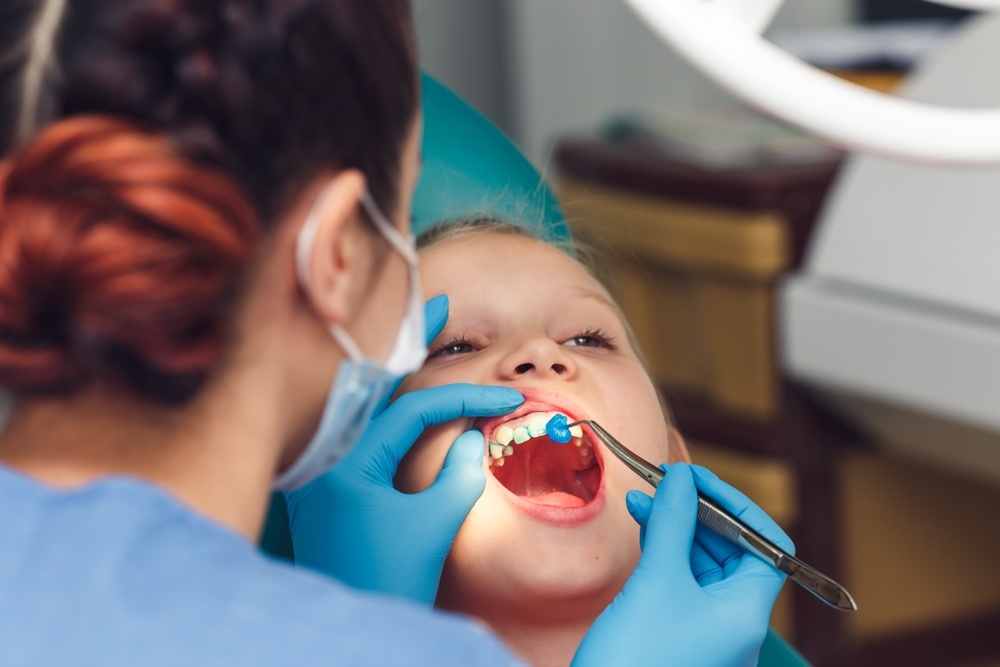
The process is usually brief. The dental professional examines the tooth, protects surrounding tissues, and applies a small amount of solution to the affected area. The product is used according to its instructions, and excess material is removed.
Drilling and local anaesthesia are generally unnecessary for SDF application. However, another procedure may be needed if the cavity is extensive or the tooth requires restoration.
Follow the aftercare instructions provided, particularly if fluoride varnish is applied during the same appointment.
Caring For Teeth After SDF Treatment
SDF does not replace daily oral hygiene or routine dental examinations. Brush twice daily with age-appropriate fluoride toothpaste, help your child clean all tooth surfaces, and limit frequent sugary snacks and drinks.
A dentist near you can monitor the treated area at follow-up appointments and determine whether reapplication or a conventional restoration is needed. The dark appearance alone does not confirm that decay has been arrested; the treated area must be assessed professionally.
When Should Parents Seek Further Assessment?
Arrange a dental assessment if your child develops a persistent toothache, swelling, difficulty eating, or signs of infection. These symptoms may indicate a problem that SDF alone cannot manage.
Facial swelling with fever, rapidly worsening symptoms, or a child who seems seriously unwell requires urgent medical or dental guidance. Do not delay appropriate treatment while waiting to see whether the SDF application resolves the problem.
Make An Informed Choice For Your Child
SDF can be helpful when used for the right type of cavity and monitored carefully. Schedule a consultation with Lotus Family Dental to discuss whether SDF or another treatment may suit your child’s needs.
FAQs
Is silver diamine fluoride safe for children?
SDF may be suitable for selected cavities when applied by a dental professional following an examination. Suitability depends on the child’s oral health, the depth of decay, and whether the pulp is affected. Parents should understand the benefits, limitations, staining, and alternatives before treatment.
Will silver diamine fluoride turn my child’s whole tooth black?
SDF typically causes permanent dark staining in the decayed area it treats rather than turning the entire tooth black. Accidental contact with the gums or skin may cause temporary staining. Discuss the likely appearance before treatment, particularly for visible front teeth.
Does silver diamine fluoride replace fillings?
Not always. SDF may arrest selected cavities, but it does not rebuild lost tooth structure. A filling, crown, or other treatment may still be needed if the tooth has substantial damage or requires restoration for chewing and strength.
Will my child need another SDF application?
Possibly. Repeat applications may be recommended to help maintain control of decay. Follow-up examinations are important because the dental professional must determine whether the lesion has become inactive or whether further treatment is needed.