
A tooth weakened by decay, a crack, or an older filling may need more support than a simple repair can provide. However, covering the entire tooth with a crown is not always necessary. A dental clinic in Peterborough can assess the remaining tooth structure, the condition of its chewing surfaces, and how your bite affects the damaged area. An inlay or onlay may offer a middle option when a filling is insufficient but full crown coverage may not be needed. The recommendation depends on the tooth’s condition and the support it requires.
Understanding Fillings, Inlays, Onlays, And Crowns
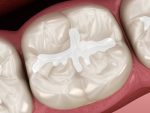
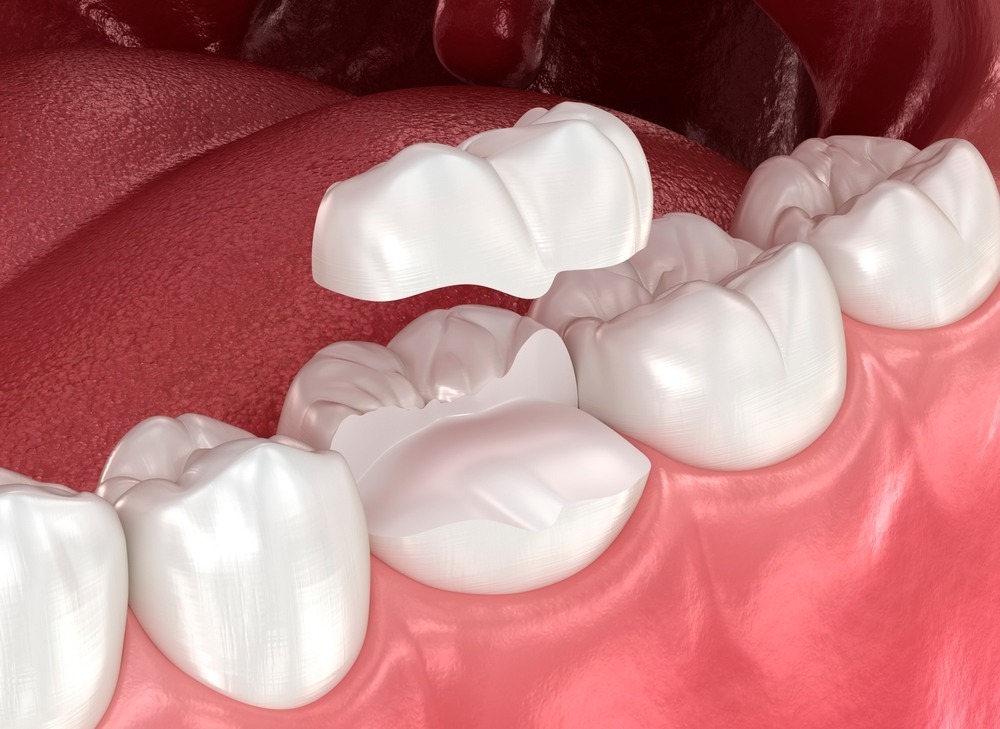
A filling is placed directly into a prepared cavity and is often suitable for smaller areas of decay or damage. An inlay is custom-made to fit within the tooth’s cusps, the raised points on its chewing surface. An onlay extends over one or more cusps to protect weakened areas.
A crown covers most or all of the visible portion of a tooth. It may be appropriate when more extensive reinforcement is needed.
These restorations serve different purposes rather than representing a simple ranking from basic to best. The goal is to repair the damage, preserve healthy structure where possible, and restore comfortable chewing.
When An Inlay Or Onlay May Be Suitable
Dental inlays in Peterborough may be considered when damage is too extensive for a dependable direct filling but the tooth still has enough healthy structure to avoid a full crown. An inlay restores the area within the cusps, while an onlay also covers cusps that need protection.
These restorations are custom-made using materials such as ceramic, composite resin, or gold. Depending on the material and clinical situation, treatment may involve preparing the tooth, taking an impression or scan, and fitting the restoration at a later visit. A temporary restoration may be used in the meantime.
When A Filling May Be Enough
A direct filling can often repair a small or moderate cavity when the remaining tooth walls and cusps are strong. It can usually be completed in one appointment and may preserve more tooth structure than a larger restoration.
However, a large filling may not adequately support a weakened tooth. Cracks, repeated filling failures, heavy biting forces, or damaged cusps can increase concern about further fracture. The dentist considers these factors before deciding whether a filling remains suitable.
When A Crown May Be The Better Option
A crown may be recommended when substantial tooth structure has been lost, several surfaces are damaged, or the remaining tooth needs broader protection. It may also be appropriate after certain root canal treatments, depending on the tooth and how much healthy structure remains.
Although preparing a crown generally requires more coverage than preparing an inlay or onlay, preserving tooth structure is not the only consideration. The restoration must provide adequate support and a reliable seal. If the tooth cannot predictably support a smaller restoration, a crown may offer a more suitable solution.
What Factors Guide The Decision?
The assessment considers more than the cavity’s size. Important factors include:
- Extent Of Damage: A small cavity differs from a crack that weakens a chewing cusp.
- Remaining Tooth Structure: The amount and condition of healthy tooth affect restoration stability.
- Pulp Health: Deep decay or persistent symptoms may require treatment beyond restoring the surface.
- Bite And Grinding: Heavy forces can influence the type of protection needed.
- Gum Health And Cleaning: Healthy supporting tissues and effective daily cleaning help maintain the restoration.
A dental clinic near you will conduct a clinical examination and, when appropriate, X-rays to evaluate these factors. The findings help determine which options are realistic for the affected tooth.
What To Discuss Before Treatment
Before proceeding, make sure you understand why a particular restoration is recommended and what the procedure involves. Useful points to discuss include how much tooth structure must be removed, which materials are suitable, how many visits may be needed, and what maintenance will be required.
It is also helpful to understand the estimated cost, expected benefits, limitations, and alternatives. Inlays and onlays are not automatically stronger or longer-lasting than every filling or crown; their suitability depends on the tooth, the material, and the quality of the fit.
Choose A Restoration That Protects Your Tooth
The right restoration should balance preserving healthy tooth structure with providing enough support for everyday chewing. Understanding why one option is recommended over another can help you make a more informed decision about your dental care.
Schedule a consultation with Lotus Family Dental to review the condition of your tooth and discuss suitable restoration options.
FAQs
Can an inlay or onlay be used on a front tooth?
Inlays and onlays are more commonly used on back teeth because they restore chewing surfaces and cusps. A filling, veneer, or crown may be more appropriate for a front tooth, depending on the damage, location, and cosmetic goals.
Does getting an inlay or onlay require more than one visit?
Custom-made restorations often require a preparation appointment followed by a fitting visit. The exact process depends on the material, the clinical situation, and the practice’s workflow.
Can an inlay or onlay replace a failed crown?
Sometimes another restoration may be possible, but a failed crown does not automatically mean an inlay or onlay will work. The remaining tooth structure, cracks, and reason for the failure must be assessed first.
Are inlays and onlays always made from porcelain?
No. Depending on the case, materials may include ceramic, composite resin, or gold. Each has different aesthetic, strength, preparation, and cost considerations, so the choice should reflect the tooth’s needs and the treatment plan.