
How long can a cavity be left untreated before a root canal becomes necessary? There is no fixed number of days or months. A small cavity may slowly worsen, while a deeper cavity can reach the inner part of the tooth much sooner. A dentist in Peterborough can examine the tooth and determine how far the decay has progressed and what treatment may be needed.
A cavity does not usually heal on its own. Delaying care can allow decay to move deeper into the tooth, increasing the chance of pain, infection, or more complex treatment.
Can a Cavity Really Lead to a Root Canal?
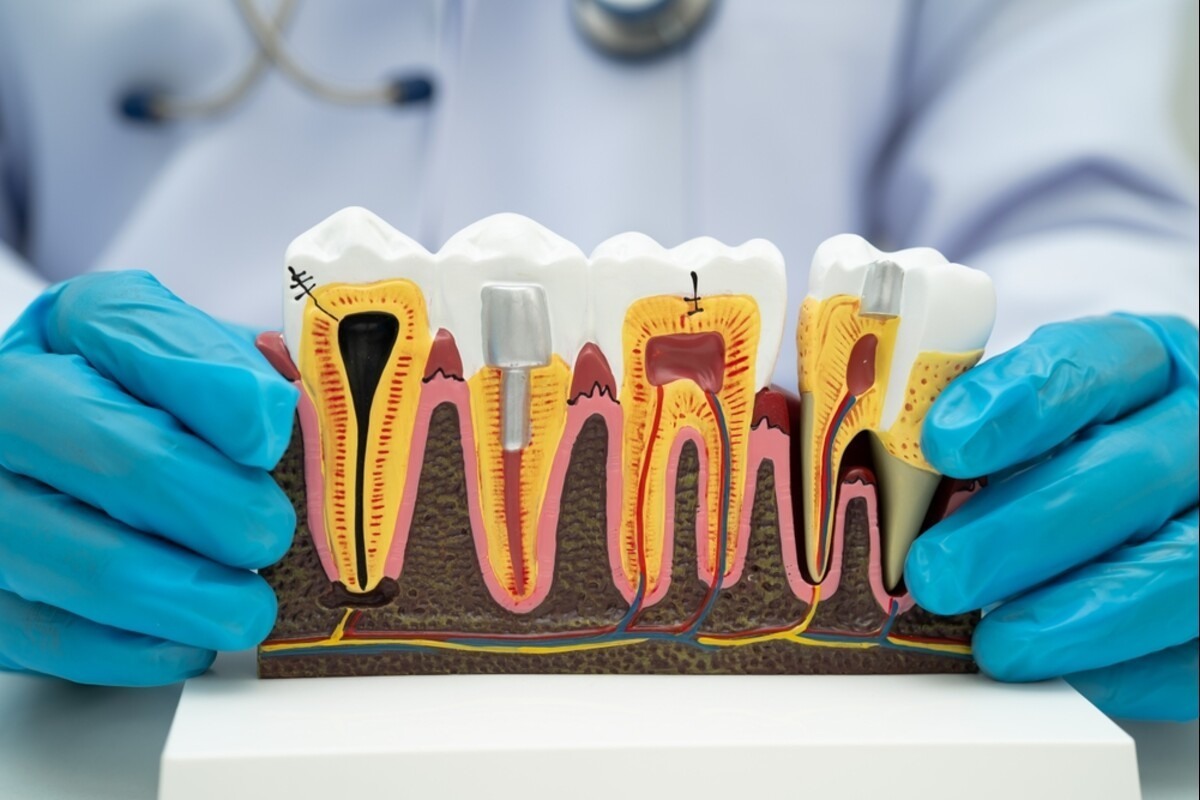
Yes. When decay moves through the outer layers of a tooth and reaches the soft inner tissue, the tissue can become irritated or infected. At that stage, a filling may no longer be enough.
Root canal therapy in Peterborough may be recommended when the inner part of the tooth cannot recover and needs to be cleaned and sealed.
Treating decay earlier may help preserve more of the natural tooth.
How Quickly Can a Cavity Get Worse?
There is no set amount of time for a cavity to get worse. Decay can progress at different speeds depending on your oral care, diet, saliva, where the cavity is located, and other factors.
A cavity may cause little or no discomfort at first. That does not mean it is harmless.
A dentist near you can identify decay during an examination, sometimes before noticeable symptoms develop.
What Happens If You Ignore a Cavity?
Untreated decay can gradually remove more of the tooth. As the damage increases, symptoms may become more noticeable.
Possible signs include:
- Tooth sensitivity to hot or cold
- Pain when biting or chewing
- A toothache that comes and goes
- Food getting trapped in the same area
- A visible hole or dark spot
- Swelling around the tooth
- Pain that becomes stronger or lasts longer
Not every symptom means a root canal is needed, but ongoing or worsening symptoms should be assessed.
Does Tooth Pain Always Mean You Need a Root Canal?
No. Tooth pain can happen for many reasons, such as a cavity, cracked tooth, gum issues, or tooth sensitivity.
The severity of pain also does not always show how serious the problem is. Some teeth with significant damage may cause little discomfort.
A dentist in Peterborough can check the tooth and, when needed, use dental X-rays to understand what is happening below the surface.
When Does a Cavity Need Root Canal Treatment?
Root canal therapy in Peterborough may be needed when deep decay or damage affects the inside of a tooth, and it cannot heal on its own.
Signs may include:
- Severe or ongoing tooth pain
- Pain that wakes you at night
- Strong sensitivity to hot or cold
- Pain when chewing
- Swelling near the tooth
- A small bump on the gums
- Signs of infection
A dental check-up is needed to find out if a root canal is right for you.
Can a Cavity Be Treated Before a Root Canal Is Needed?
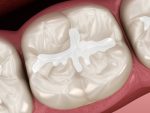
Often, yes. If decay has not reached the inner part of the tooth, treatment may involve removing the damaged area and restoring the tooth with a filling or another suitable restoration.
This is one reason regular dental visits matter. A dentist near you may find a cavity while it is still small and easier to treat.
Waiting for pain before seeking care can allow the problem to progress.
What Happens During Root Canal Treatment?
When root canal therapy in Peterborough is needed, the damaged or infected inner tissue is carefully removed from the tooth.
The space is then cleaned and sealed. A restoration, such as a crown, may be recommended afterward when the tooth needs additional strength and protection.
The goal is to treat the infection or damaged tissue while keeping the natural tooth in place when possible.
Can You Prevent a Cavity From Reaching the Root?
You cannot always prevent a cavity from getting worse, but good daily care and regular dental visits can help slow decay.
Helpful habits include:
- Brush twice a day with fluoride toothpaste.
- Clean between your teeth every day.
- Limit sugary foods and drinks.
- Go for regular dental check-ups.
- Tell your dentist about new pain or sensitivity.
- Follow the advised treatment on time.
Treating a cavity early is usually easier than waiting for it to worsen.
Give Your Tooth the Attention It Needs!
A cavity may start as a small concern, but waiting too long can allow the damage to progress. Getting the tooth checked can help you understand how far the decay has developed and which treatment may be suitable for preserving your natural tooth. Book an appointment with Lotus Family Dental today to have the affected area examined, explore your treatment options, and take a timely step toward protecting your oral health.
FAQs
How long can you safely ignore a cavity?
There is no safe waiting period. A cavity can worsen without obvious symptoms, so timely dental assessment is recommended.
Can a cavity go away on its own?
A developed cavity does not normally repair itself. Professional treatment is needed to stop the damaged area from progressing.
Can a cavity become a root canal overnight?
Severe symptoms can appear suddenly, but the underlying decay usually develops over time. An examination is needed to determine the cause.
Can a Cavity Without Pain Still Need Treatment?
Yes. A cavity can get worse without causing pain at first. Even if your tooth feels fine, the decay may continue to damage it. A dental check-up can show if treatment is needed.