
When a filling falls out, the tooth may need more than another filling to restore its strength. A porcelain onlay can be an option when a large part of the tooth is damaged, but enough healthy structure remains to avoid a full crown. A dentist in Peterborough, ON can examine the tooth and determine whether a new filling, an onlay, or another treatment is suitable.
A lost filling can make your tooth sensitive to hot, cold, or sweet foods. It can also leave the tooth more vulnerable to further damage. A porcelain onlay may help protect and support the tooth. However, it is not always needed. The right treatment depends on the damage, decay, or cracks in the tooth.
What Should You Do If a Filling Falls Out?
If a filling falls out, arrange a dental appointment as soon as possible. Keep the area clean and avoid chewing on that side until the tooth has been checked.
If you are wondering what to do if a filling falls out, follow these steps:
- Rinse your mouth gently with warm water.
- Brush carefully around the affected tooth.
- Avoid hard, sticky, very hot, or very cold foods if the tooth feels sensitive.
- Do not use household glue or try to permanently repair the tooth yourself.
- Seek urgent dental care if you have severe pain, swelling, or signs of infection.
A dentist near you can check whether the tooth has additional damage and recommend a suitable replacement. If the tooth is badly weakened, simply placing another filling may not provide enough support.
Why Replace a Large Filling With a Porcelain Onlay?
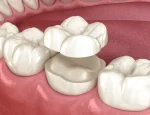
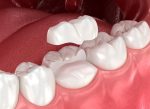
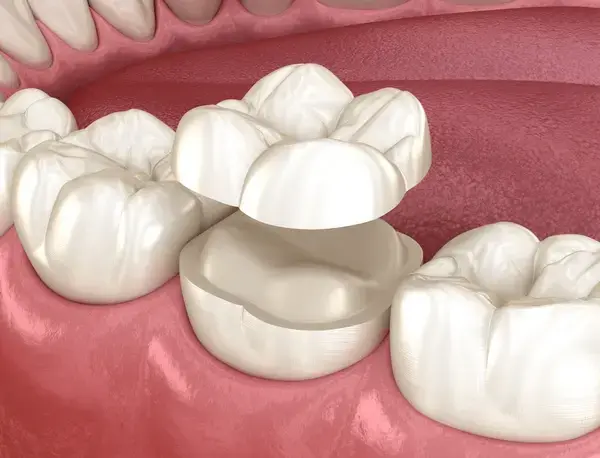
A porcelain onlay covers the damaged part of a tooth and may extend over one or more raised chewing points, called cusps. It is made to fit the tooth and is bonded in place.
A porcelain onlay in Peterborough, ON, may be considered when:
- The old filling covered a large area.
- The tooth has weakened walls or damaged chewing points.
- There is not enough healthy tooth structure to support another large filling.
- The tooth can still be restored without needing a full crown.
Porcelain is designed to handle chewing forces and resist wear. An onlay can also preserve more healthy tooth structure than a full crown in suitable cases. However, it cannot guarantee that the tooth will never crack or need further treatment.
Inlay vs Onlay Explained: What Is the Difference?
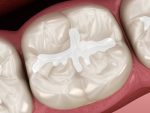
An inlay fits inside the chewing surface of a tooth, between its raised points. An onlay covers a larger area and extends over one or more of those points.
- The choice depends on the location and size of the damage.
- Inlay: Suitable for certain damaged areas within the tooth’s raised points.
- Onlay: May be better when one or more raised points need protection.
- Full crown: May be needed when the tooth requires more complete coverage.
The goal is to restore the tooth while preserving as much of the healthy natural structure as possible. Not every large filling needs an onlay, and a full crown may be more suitable if the tooth is extensively damaged.
How Is a Porcelain Onlay Placed?
The treatment usually involves preparing the tooth, taking an impression or digital scan, and fitting the custom-made onlay.
The process may include:
- Examination: The tooth is checked for decay, cracks, and damage. X-rays may be needed.
- Tooth preparation: Damaged areas are removed, and the tooth is shaped to fit the onlay.
- Custom design: An impression or scan is used to create the restoration.
- Placement: The onlay is fitted and bonded to the tooth.
- Bite check: The dentist checks how the teeth meet and makes adjustments if needed.
Depending on the method used, a temporary restoration may be placed while the final onlay is made.
How Long Do Porcelain Onlays Last?
A porcelain onlay in Peterborough, ON can last about 10–15 years or longer with good care. How long they last depends on their size, the condition of the tooth, how well you clean your teeth, and whether you grind your teeth.
To help protect an onlay:
- Brush twice daily with fluoride toothpaste.
- Clean between your teeth every day.
- Avoid biting hard objects such as ice.
- Ask about a night guard if you grind your teeth.
- Attend regular dental checkups.
A dentist near you can monitor the onlay for wear, damage, or decay around its edges. Even a well-made restoration may eventually need repair or replacement.
Give Your Tooth a Stronger Second Chance!
When a filling falls out, the right replacement can help protect the remaining tooth and restore its ability to handle everyday chewing. The best option depends on how much healthy tooth structure remains and whether the tooth has any cracks or other damage. Contact Lotus Family Dental to book an assessment, explore suitable restoration options, and discuss how a porcelain onlay or another treatment may help protect your tooth for the future.
FAQs
Does every lost filling need a porcelain onlay?
No. A small area of damage may only need a new filling. An onlay may be considered when the tooth has lost more structure and needs extra support.
Is a porcelain onlay better than another large filling?
It may offer better coverage for a weakened tooth, but it is not always the best option. The decision depends on the remaining tooth structure and the amount of damage.
Can a porcelain onlay save a cracked tooth?
An onlay may help protect certain teeth with limited damage. A deep crack or extensive damage may require a different treatment, so the tooth needs careful assessment.
Does getting a porcelain onlay hurt?
Local anaesthetic is generally used to numb the tooth during preparation. Some sensitivity may occur afterward, but the level of discomfort varies.